
Updated September 2026
Key Takeaways
- Emerging franchises typically have fewer than 50 locations or five years or less of franchising history. They offer growth potential, but less established support.
- Most franchise systems hit their financial “tipping point” between 50 and 100 locations, when royalty revenue from franchisees replaces reliance on new franchise fees.
- Due diligence matters even more with newer brands. Dig into leadership experience, marketing support, communication, and financial picture before you invest.
McDonald’s is often held up as the gold standard of franchising success. But the McDonald brothers didn’t franchise overnight. They spent a decade perfecting their first restaurant before franchising in 1953, then took another six years to reach 100 locations, thanks in big part to their now-famous partnership with Ray Kroc.
The Subway franchise story is similar. Founder Fred DeLuca spent a decade refining the business and nearly another decade growing the franchise past 100 units. What looks like overnight success was really 20 to 30 years in the making.
Today, these iconic brands sell franchises based on brand recognition alone. New franchises have it a lot harder. They have to build a system from scratch, prove the concept works, and differentiate themselves from hundreds of competitors. Still, new franchise brands launch every day, spanning every price point and industry.
What Is an Emerging Franchise?
Emerging franchises are typically systems with fewer than 50 locations, or five years or less of franchising experience. They can be defined by:
- Strong potential for growth
- A scalable business model
- Untapped market opportunity
- Rising consumer demand
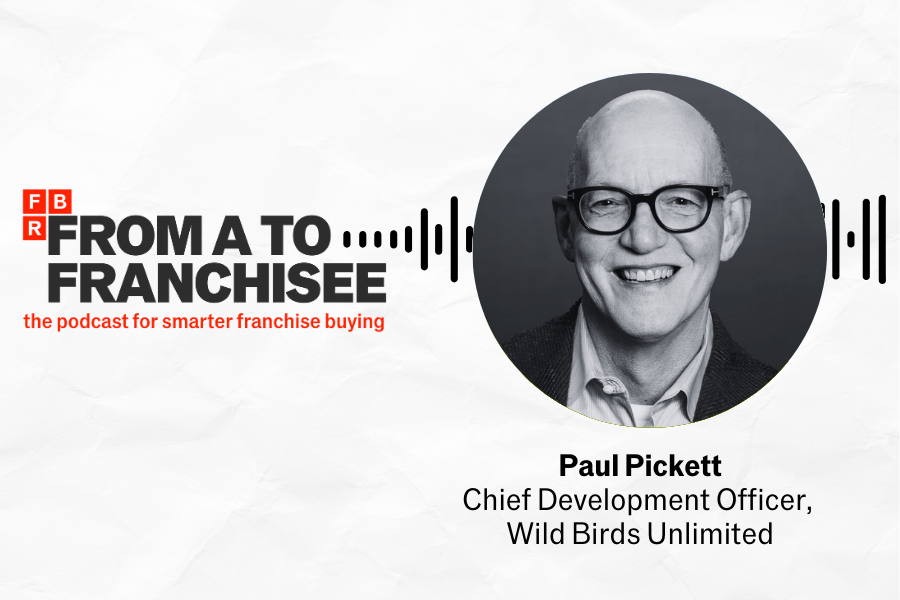
Inside Look: Hear from a franchisee with an emerging brand on our podcast, From A to Franchisee. Listen now.
So Who Is the Next McDonald’s?
Hundreds of new franchise companies launch each year. Many founders share Ray Kroc’s vision of building the next franchise empire. But the reality is few franchise companies ever make it really big. In fact, most franchise opportunities today come from companies with under 100 locations. That said, you don’t have to invest in a big franchise company in order to be successful as a franchise owner.
“Big isn’t always better,” says Eric Stites, founder of Franchise Business Review. “Size certainly gives you scale, brand awareness, and purchasing power. But just because a franchise company is large, it doesn’t automatically mean that the franchisees are happy and successful.”
Most systems hit their tipping point between 50 and 100 units. That’s when a company becomes royalty self-sufficient, meaning it runs on revenue from successful franchisees rather than fees from selling new locations.
“In the early days, when franchise fees are a company’s only real revenue, mistakes can happen,” Stites explains. “The good franchisors reinvest that fee income fast, building the support structures needed to grow.”
Investment Ranges for Emerging Franchises
If you’re looking to join a newer franchise brand, there’s a wide range of investment opportunities open to you. You can buy a Bee Organized franchise for somewhere around $42,000 or buy a K9 Resorts Luxury Pet Hotel for upwards of two million dollars.
The best franchisors focus on lowering both startup and ongoing costs. Most CEOs of highly-rated franchises say they scrutinize expenses to protect and improve franchisee profitability. Tony Lamb, founder of Kona Ice and, more recently, Travelin’ Tom’s Coffee, puts it simply: “My responsibility is to keep costs down but to provide avenues for revenues to go up.”
Time Commitment Varies Too
Some concepts let franchisees start part-time while keeping a day job, at least at first. That flexibility comes with part-time pay to match. Before investing, know exactly what’s expected of you. Is full-time involvement required? Do you need a partner? Can a manager run day-to-day operations while you stay hands-off?
Tim Valiant, who bought his Kona Ice franchise in 2012 when it was still an emerging brand, and later added a Travelin’ Tom’s Coffee franchise, started part-time. “A lot of people start it as a side hustle,” he says. “I waited nine years to quit my other job. If I had to do it over, I would have taken the leap sooner.”
Weighing the Risks and Rewards of Emerging Franchises
Every business carries risk, franchise or independent, new or established. But emerging brands raise the stakes if you skip the homework.
The Risks
Emerging franchises (and smaller brands) often come with a smaller corporate office and fewer resources, which can equate to less support for operators. Franchisees may struggle as the first in their market. With no prior brand recognition, it’s completely up to them to market their business, gain brand recognition, and, for franchisees of new concepts like Hello Sugar, they may even have to explain what it is they do.
The Upside
Being first in a market also means the chance to establish your reputation, free of preconceptions. Franchisees and franchisors alike say emerging brands tend to welcome franchisee input more readily, which can appeal to someone looking for the stability of franchising with the entrepreneurial feel of a start-up.
Tom Winspear, one of the earliest owners in the New Again Houses system, describes it this way: “It’s nice to have a sense of ownership without being an owner, like a mentor role. That’s really rewarding, and it hasn’t changed since day one. They’re very open to thought and ideas and improving processes.”
How to Research an Emerging Brand
Due diligence matters for any franchise investment, but it’s harder, and more important, with a newer brand. You’ll need to dig deeper, looking closely at leadership backgrounds and asking pointed questions about the company’s vision for today, next year, and five years from now.
A strong flagship store isn’t enough. Some new franchisors build a pitch around the success of one or two successful locations without the training, systems, or leadership to support real growth.
“I’d want to know who’s running the company. Who’s the day-to-day, who’s making the decisions, and then what do his people think of him,” says Tony Lamb.
Buying into an up-and-coming brand has real pros and cons, like any investment. Look for a system built to grow, both for franchisees and the corporate office, and a brand that fits your goals and personality.
Heather Noble, who co-owns a Lightspeed Restoration franchise with her husband, told us, “When speaking with the franchisor, I focused on understanding the level of support I would receive and what day-to-day ownership would really look like. I asked about the financial health and growth of both the franchisor and franchisees, the training and software provided, and who I would be working with regularly once I launched. I also wanted to know how accessible the leadership and support teams would be as questions or challenges came up.”
Related Resource: Best Questions to Ask Franchisors Before Buying a Franchise
What Franchisee Satisfaction Data Reveals
Franchise Business Review’s Top Franchises list includes only brands whose franchisee satisfaction scores are above our annual benchmark. Many of these companies share their full satisfaction reports with prospective franchisees, covering Training & Support, Leadership, Franchisee Community, Financial Opportunity, and Core Values. In general, marketing, communication, and financial performance tend to score lowest.
Marketing Efforts
The ins and outs of the marketing program are important, especially with a newer franchise that might require increased local marketing efforts. Common franchisee feedback related to marketing are that the franchise brand doesn’t do enough marketing at the local level and marketing fees aren’t justifiable. Before investing, ask:
- How does the franchisor approach marketing, and does it meet expectations?
- How is the marketing budget used, and is it shared with franchisees?
- What do local versus national efforts look like?
- Does the franchisor provide local marketing support and training, or leave it to franchisees?
Franchisee Communication
Franchisees who thrive tend to have strong, two-way communication with corporate. Research a system’s communication style directly. How fast do they respond to questions? What resources do they provide? Remember that your main sales contact won’t be your point person after you sign, so ask how the corporate team communicates with existing franchisees, and talk to those franchisees about how accessible leadership really is.
Financial Performance
Satisfaction here often comes down to realistic expectations. Review Item 19 of the Franchise Disclosure Document, if available, and make sure it reflects reality. Ask current franchisees how long it took to earn a salary, how they’d rate the franchisor’s financial opportunity, and whether your own expectations line up.
Long-term support matters too. Satisfaction often dips at the three-to-five-year mark. Since emerging brands lack long-tenured franchisees, you’ll need to ask harder questions about what support looks like three, five, and ten years down the road.
Emerging Brands on FBR’s Top Franchises List
Several emerging franchises have already earned a spot on FBR’s Top Franchises list, based on franchisee satisfaction scores above our annual benchmark. If you’re interested in getting in on the ground floor of an emerging franchise, here are 10 award-winning brands that are a great starting point.
Lightspeed Restoration
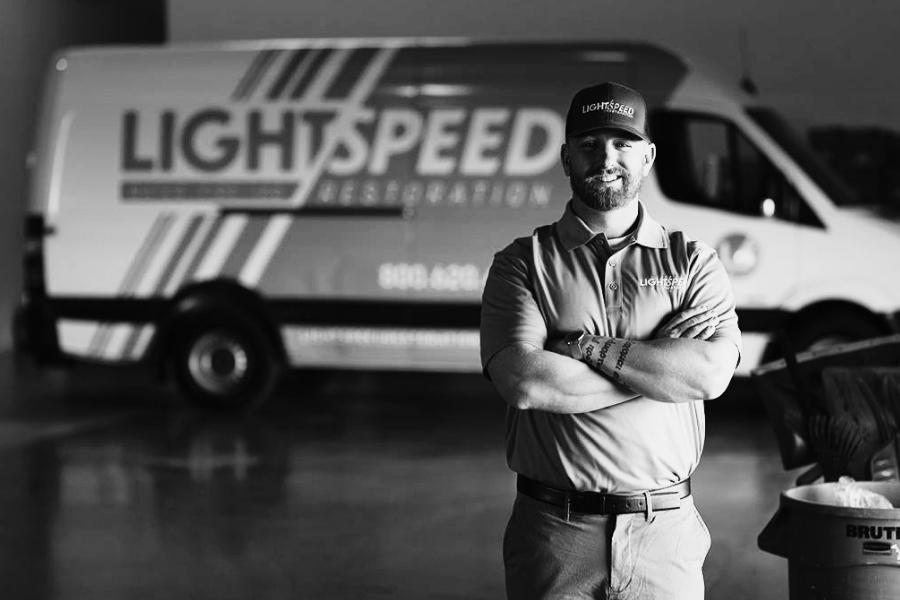
This 24/7 disaster response franchise handles water and fire damage restoration, mold remediation, and indoor air quality services. With 40 franchise units currently in operation, 100% of franchisees say their fellow franchisees are supportive of each other and supportive of the brand.
- Franchising since: 2023
- Minimum cash required: $132,230
- Total startup investment: $154,230 – $334,000
Download a free franchisee satisfaction report from Lightspeed Restoration
Travelin’ Tom’s Coffee
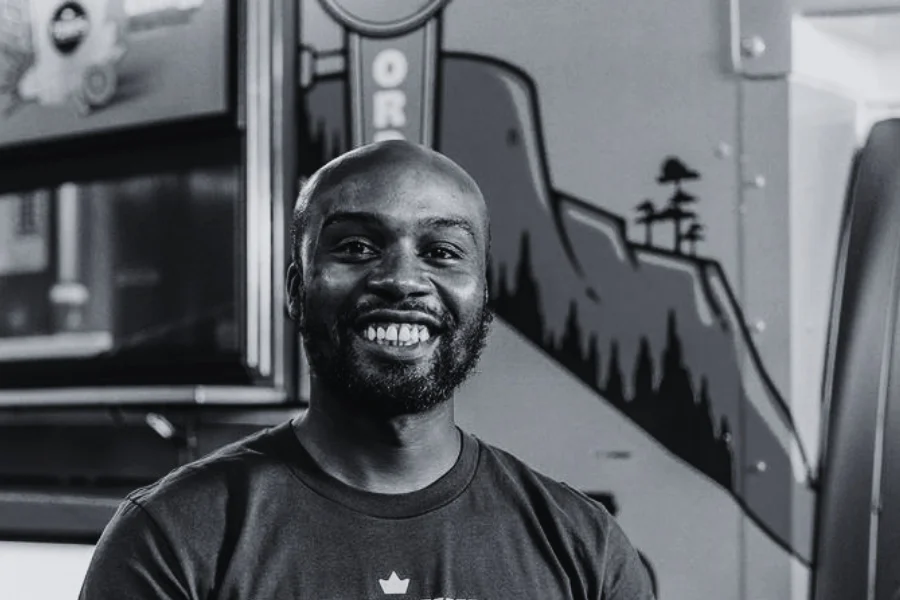
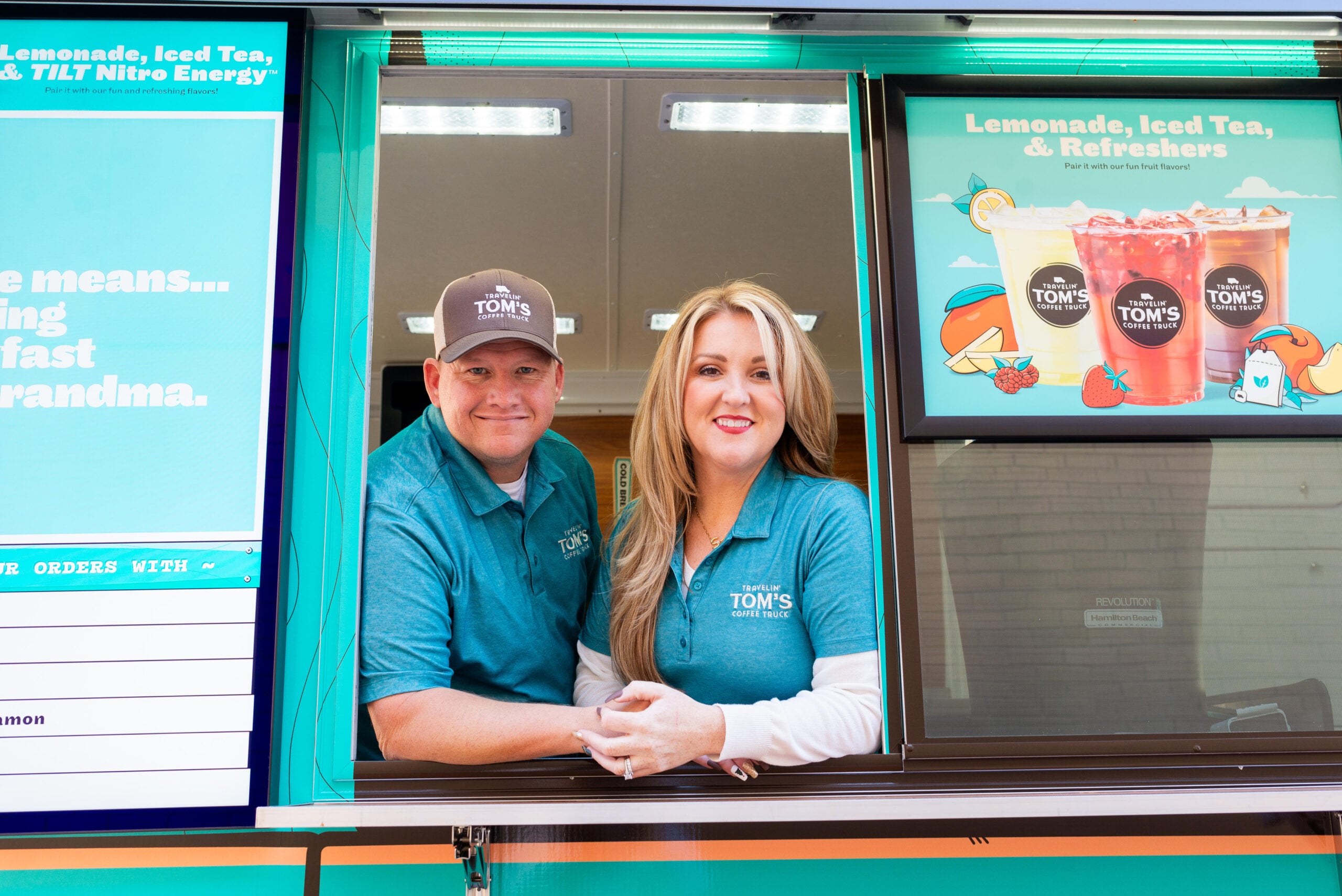
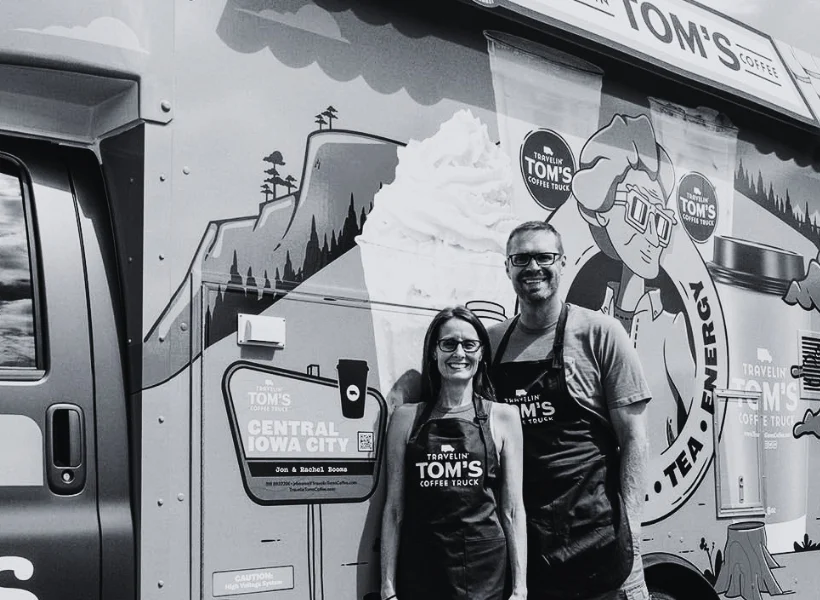
This mobile coffee trailer concept that brings specialty coffee to drive-up and event locations. Developed by Kona Ice founder Tony Lamb, one of the benefits of Travelin’ Tom’s is that it’s backed up by the experience and support of a well-established, highly successful brand. Ninety-nine percent of franchisees say leadership is effective and has a clear vision for the company. Coming soon is another new concept from the team at Kona Ice, Beverly Ann’s Cookies.
- Franchising since: 2021
- Minimum cash required: $30,000
- Total startup investment: $155,231 – $171,950
Download a free franchisee satisfaction report from Travelin’ Tom’s
Wed Society

Wed Society is a home-based wedding media franchise that curates local wedding content and connects engaged couples with vetted vendors across digital, print, and social channels. One hundred percent of franchisees agree that they enjoy operating this business and respect their franchisor.
- Franchising since: 2023
- Minimum cash required: $150,000
- Total startup investment: $102,200 – $155,800
Download a free franchisee satisfaction report from Wed Society
Bee Organized

Bee Organized is a home-based professional organizing franchise helping clients declutter and create sustainable systems for their homes and lives, with low overhead and no inventory required. One hundred percent of franchisees agree that they enjoy being a part of this organization and 98% would recommend the brand to others.
- Franchising since: 2017
- Minimum cash required: $70,000
- Total startup investment: $41,416 – $66,056
Download a free franchisee satisfaction report from Bee Organized
Hello Sugar
Hello Sugar is a sugaring studio franchise offering an all-natural alternative to waxing for hair removal, positioned as a cleaner, gentler service niche.
- Franchising since: 2021
- Minimum cash required: $150,000
- Total startup investment: $95,940 – $614,850
Learn more about the Hello Sugar franchise opportunity
Art of Drawers
Art of Drawers is a home organization franchise specializing in custom drawer, cabinet, and pantry solutions that upgrade kitchens and bathrooms without a full remodel.
- Franchising since: 2023
- Minimum cash required: $150,000
- Total startup investment: $165,535 – $235,685
Learn more about the Art of Drawers franchise opportunity
Back Nine
Back Nine is an indoor golf simulator franchise offering 24/7, largely unstaffed access to realistic simulated play and swing tracking technology.
- Franchising since: 2023
- Minimum cash required: $50,000
- Total startup investment: $250,000 – $400,000
Learn more about the Back Nine franchise opportunity
Dryer Vent Superheroes
Dryer Vent Superheroes is a mobile home services franchise focused on dryer vent cleaning, inspection, and repair to reduce fire risk and improve energy efficiency.
- Franchising since: 2022
- Total startup investment: $73,600 – $215,750
Learn more about the Dryer Vent Superheroes franchise opportunity
Soccer Stars
Soccer Stars is a mobile youth sports franchise delivering soccer classes and camps for kids ages one to 18, run without the need for a standalone facility.
- Franchising since: 2022
- Minimum cash required: $40,000
- Total startup investment: $73,300 – $106,300
Learn more about the Soccer Stars franchise opportunity
Voda Cleaning and Restoration
Voda Cleaning and Restoration combines carpet, upholstery, and tile cleaning with water damage and mold mitigation services.
- Franchising since: 2023
- Total startup investment: $201, 374 – $357,608
Learn more about the Voda Cleaning and Restoration franchise opportunity
The Bottom Line
The franchise sector is full of new brands looking to expand on a mass scale, but a couple of strong corporate stores don’t make a franchise system. Before buying into a brand with five years or less of franchising history, look closely at its structure and leadership. Does it have the resources to support you? Does leadership have franchise experience? Does the concept have staying power?
“An emerging brand can be a great opportunity, but only if you treat the investment with the same thoroughness you’d apply to a mature system,” says Eric Stites. “Talk to current franchisees, study the leadership team’s track record, and make sure the support structure can actually scale with you.”
One of the best places to start is Franchise Business Review’s list of the Top Franchises. For over 20 years, we’ve been measuring franchisee satisfaction across thousands of franchise brands. Each of the brands on the list has been independently vetted for franchisee satisfaction in key areas critical to success as a franchise owner. Many of them even make their full satisfaction report available.
Visit the full awards list and look for the “Get Report” button to access each brand page and read reviews and ratings directly from franchise owners.
Not sure where to start with franchise ownership? Join The Academy.
FBR’s Franchise Academy is a free online course that walks you through everything from choosing the right brand to securing financing. Learn how to research and compare franchise opportunities, and avoid the pitfalls that first-time buyers typically encounter.